


Top Strategies to Keep Your Muscle Gains During Fat Loss

Losing fat while holding on to your hard-earned muscle mass can be a challenging balance. Many people find that during a calorie deficit, their body begins to burn both fat and muscle tissue for energy. The key to attaining a lean, defined physique lies in maintaining the right balance of nutrition, training, and recovery. This process can be supported by smart supplementation from a reliable HGH injectons provider, which can aid muscle preservation and energy levels during fat loss. Building lean muscle takes time and effort—so protecting it while cutting fat should be a top priority for anyone aiming for a fit, healthy body that looks as strong as it feels.
Below are essential strategies to help you retain your muscle gains while shedding excess fat.
Prioritize Protein Intake
Protein is the foundation of muscle maintenance. During fat loss, your body is in a calorie deficit, which increases the risk of muscle breakdown. Consuming enough high-quality protein helps support muscle repair and reduces catabolism. Aim for 1.0 to 1.2 grams of intake per pound of body weight daily, distributed evenly across your meals. Good sources include lean meats, eggs, dairy, legumes, and protein powders. Additionally, include a protein source in every meal to help regulate hunger and stabilize blood sugar. For those following plant-based diets, combining foods like lentils, quinoa, and tofu can provide complete amino acids. Proper protein intake not only protects muscle mass but also supports recovery and energy during fat-burning phases.
Train Your Strength
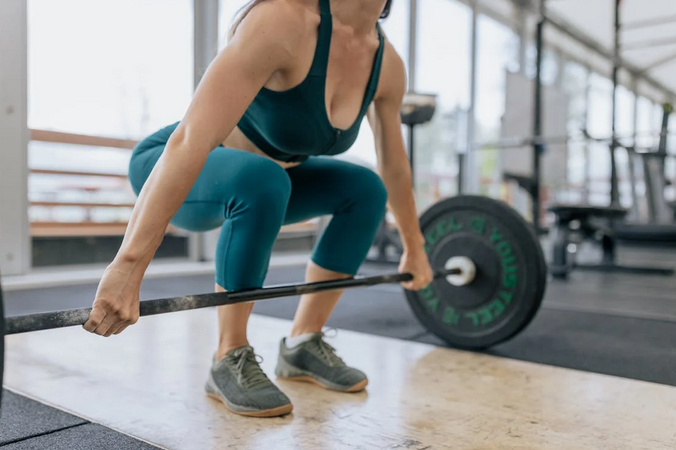
A common mistake people make during fat loss is focusing too heavily on cardio while neglecting resistance training. While cardio helps burn calories, strength training signals your body to retain muscle. Your muscles act as a metabolically active tissue—meaning they help you burn more calories even at rest. Stick to compound movements like squats, deadlifts, presses, and rows. These exercises engage numerious muscle groups and help maintain muscle density. Keep your training intensity high with moderate to heavy weights and slightly fewer repetitions. Even as you reduce calories, avoid drastically lowering your training volume, as it could lead to muscle loss and lower metabolic efficiency.
Manage Your Calorie Deficit Wisely
Creating a calorie-deficit is essential for fat loss, but too large a deficit can cause your body to break down muscle for energy. A slow, steady approach yields better long-term results. Aim for a deficit of about 300–500 calories below your maintenance level per day. This strategy gives your body enough fuel to preserve muscle tissue while still promoting fat loss. Include a balance of fats and carbohydrates to keep your hormones and energy levels stable. Carbohydrates are particularly important for supporting workouts and recovery, while healthy fats assist in hormone regulation, including testosterone, which plays a major role in maintaining muscle mass.
Get Enough Sleep and Manage Stress

Stress and sleep are often overlooked factors that directly affect muscle preservation. When you don’t get enough rest, cortisol levels rise, leading to increased muscle breakdown and fat storage. Aim for approximately 7–8 hours of quality sleep each night to support recovery and muscle repair. Chronic stress also releases cortisol, which can make it harder to hold onto lean muscle. Incorporate relaxation-techniques like deep breathing, meditation, or light stretching to keep stress under control. Recovery days are equally important—overtraining without proper rest can trigger fatigue and hinder your body’s ability to retain muscle mass during calorie restriction.
Incorporate Smart Supplementation
Proper supplementation can give your body an extra edge during fat loss. Branched-chain amino acids or BCAAs can help reduce muscle breakdown during workouts, while creatine enhances strength and endurance. Omega-3 fatty acids also help in minimizing inflammation and promoting recovery. In addition, HGH (Human Growth Hormone) therapy—under medical guidance—can support muscle retention, fat metabolism, and recovery efficiency. For individuals considering this route, working with a reliable HGH injectons provider is crucial to achieve safe and effective results. HGH can play a role in maintaining lean tissue, improving energy levels, and boosting workout performance during fat loss phases.
Keeping your muscle gains while losing fat requires discipline, balance, and strategic planning. Focus on maintaining adequate protein intake, keeping strength training as an integral part of your excercise routine, managing your calorie deficit carefully, prioritizing recovery through sleep and stress management, and considering appropriate supplementation. These five strategies together help you protect the muscle you’ve worked hard to build while achieving your desired leaner physique. The result is a healthier, stronger body composition that supports long-term fitness success and sustainable energy levels.…


 Laughter sparks the release of endorphins, our body’s natural feel-good chemicals. This surge of positivity can create an instant mood lift, melting away stress. When we laugh, our body relaxes. This physical response reduces muscle tension and lowers heart rates, creating a sense of calm that lasts long after the laughter fades. Humor also shifts our perspective on challenges.
 Finding humor in everyday life can be transformative. It allows us to navigate the ups and downs with a lighter heart.


 At the heart of every game of golf is the swing. A well-executed golf swing requires a full range of motion in your shoulders, hips, and spine. When you swing, the rotation of your torso engages muscles that may not get much use in your daily activities. This constant rotation helps keep these muscles strong and flexible, supporting their connected joints. The golf swing is a dynamic motion that stretches your body in different directions.
 Golf isn’t just a physical game; it’s also mental. Concentration, focus, and strategy are vital to performing well. This mental engagement helps reduce stress, which in turn can have positive effects on your physical health. Lower stress levels can help reduce inflammation in the body, especially in the joints, making it easier to move without discomfort.
 Adaptability and flexibility are essential qualities to look for in a caregiver for excellent in-home health care service. Why? Because every individual is unique, with their own specific needs and preferences. A caregiver who is adaptable can easily adjust their approach and methods to cater to the changing needs of their patients. In the realm of caregiving, no two days are alike.
 In the demanding field of caregiving, patience is a virtue that cannot be underestimated. Caregivers must exhibit patience when dealing with clients who may have physical or cognitive limitations. They need to understand that tasks may take longer than expected, and they must remain calm and composed throughout the process. Resilience is also crucial because providing care can be emotionally draining at times. Caregivers need to bounce back from challenging situations and continue delivering high-quality care despite any setbacks or obstacles they may face.

 The most commonly used

 Water hazards add an element of challenge to any golf course. Golfers fear losing a ball or landing in the water, which can trigger stress and anxiety. Facing such a challenge strengthens concentration, focus, and problem-solving skills. Over time, golfers learn how to manage stress and anxiety by focusing on the task, ignoring distractions, and maintaining a steady hand. Water holes are perfect for golfers who want to improve their mental resilience and reduce stress.
 The practice of pharmacy dates back thousands of years, with ancient civilizations like the Egyptians, Greeks, and Chinese using various herbs and natural substances to treat ailments and diseases. Over time, the art of pharmacy evolved, and by the early 20th century, pharmacists had transitioned from compounders of medicines to dispensers of mass-produced drugs.

 Have you ever heard of the notion that crash dieting can help you lose weight fast? While it is true that severely limiting your caloric intake and eating fewer carbs will cause you to lose some water weight in a short period, it’s not sustainable in the long term.
 It’s true that there are


 One of the surprising benefits of learning magic is that it can help to improve your motor skills. This is because performing tricks requires a great deal of coordination and precision. As you practice and perfect your techniques, you will find that your motor skills will improve as well. It can positively impact other areas of your life, such as your ability to play sports or musical instruments.
 In addition to improving motor skills, learning magic can also help to improve your memory and
  One of the best benefits of learning magic is that it can help to improve your social skills. Performing tricks is a great way to meet new people and make new friends. When you perform stunts, you will often have to interact with people to get them to participate in the trick. This can help you to practice your social skills and become more comfortable around other people.
 Lack of sleep can lead to many health problems, including a weakened immune system, depression, anxiety, and weight gain. CBD oil can help you get better quality sleep by reducing anxiety and promoting relaxation. This is done by affecting the Endocannabinoid System (ECS), which is responsible for regulating sleep, mood, and pain.
 CBD oil is also effective in reducing pain. This is because it interacts with the body’s endocannabinoid system, which is responsible for regulating pain. CBD oil can help to reduce chronic pain by reducing inflammation and interacting with the body’s pain receptors.
 Vomiting is not a pleasant experience, and it can lead to dehydration and other health problems. CBD oil can help to regulate nausea by interacting with the body’s endocannabinoid system, which is responsible for regulating nausea. CBD oil can help to reduce nausea by reducing inflammation and increasing levels of serotonin in the brain.


 The first factor that will be essential in helping you make the right choice when looking for a chiropractor is experience. It is vital to note that there are many skills needed to perform chiropractic producers successfully; this is evident by the fact that some producers may deal with the spine. Before selecting any chiropractor, you need to consider the level of experience they have.
 Apart from experience, it will be vital to consider the recommendations from others close to you. As many people are currently going for chiropractic procedures, there is a chance that you know some people who may give you good recommendations.
 The last factor you should consider when choosing a chiropractor is the amount of money they charge. It is vital to note that different chiropractors will ask for an amount that may vary. The type of procedure you require will be crucial in determining the amount of money you will be required to pay. It is also vital that you check if your health insurance covers chiropractic producers.
 One of the vital things you need to understand is that not all eye doctors you find in various hospitals can perform eye surgery. In this case, you need to hire a professional ophthalmologist trained and certified to perform this type of surgery.
 When choosing cataract surgeons for the first time, it is advisable to read online reviews to know more about these experts. By visiting most health sites, you will understand how these experts operate, and you will know the top-rated surgeons you need to consider choosing. Ensure you read both positive and negative reviews before making your selection.
 There are many vendors online looking to sell their medical supplies. You have time to compare the prices of different vendors and choose what works best within your budget. Buying from an online vendor is cheaper since they don’t have to cover expenses such as rent. To increase and keep customers online, vendors come up with discounts and offers for their customers. It is beneficial to you since you get to save a few coins. However, do not compromise on the quality of the products. It might cost you your health.
 Buying from a local vendor limits the amount and the product you want to buy. However, with online buying, you have no such limitations. You get to go through a wide variety of products at a go. You also gain knowledge of the products available and choose what works for you. With the large pool of manufactures, distributors, and sellers, you can find any product you want in the medical product you need. Even products you didn’t know existed.
 One of the main reasons people prefer online shopping is the convenience it offers. With the local vendor, you wait until they open their doors so that you can get whatever you want. When online shopping, you can get your medical supplies on your own time. Some online vendors allow you to pay for your order once it has arrived.
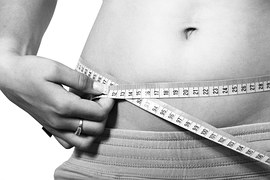
 may seem, even though marijuana is famous for inducing hunger, it can help you maintain your weight. A study published by the American Journal of Medicine confirms that marijuana users have narrower waists (3.8 cm on average thinner than non-users). They also had higher HDL levels (good cholesterol), which reduces the risk of coronary heart disease and the propensity for type II diabetes.
 trends, raw cannabis juice, offers benefits with no psychoactivity. Because there is no amount of THC in the natural plant, only the THC-A (or acid) does not place. But consuming raw cannabis provides huge doses of antioxidants, along with chlorophyll and most of the aromatic terpenes in the plant, which have therapeutic benefits.
 are usually finger-thick and finger-length. They don’t have a unique smell. If you cut or squeeze them, they turn blue. These mushrooms should be consumed as fresh as possible. If you don’t know how old they are, you’d better do without them.
 are mixed with juice or chocolate, the tissue is broken, and the psilocybin dissolves better. You only mix mushrooms with the carrier substance immediately before consumption.


 Remember the effectiveness of the mask is dependent on how correctly you wear it. Ensure that the mask is covering both your nose and mouth, remains intact at the base of your chin and the bridge of your nose, and perfectly holds to your face without hindering your breathing.
 The rule of thumb is that you should always be wearing your mask anytime you are in public places. We may not always maintain social distance in public areas, and masks are ideal for offering protection.
 Wearing a cloth face mask is aimed at offering you additional protection against contracting the virus. It should not in no way be used as a substitute for social distancing. Social distancing rules can only be briefly ignored if you are at a place where you can hardly keep up with them.
 Based on a study from Harvard University, men who walked on average 30 minutes a day decreased their erectile dysfunction by 41 percent. Getting regular exercise can help men improve their sexual performance, especially if they have reached middle age.

 Different companies will tell you different things about their products. But you can always stick to one principle: if something is too good to be true, it probably is not. Take note that every product on the market has its pros and cons; nothing is perfect. And high-quality CBD products will surely be sold at a reasonable price.
 The first step is to find a good supplier. Going to a medical marijuana dispensary is the right way to go about it. You will need a doctors prescription to buy medical cannabis from your dispensary. Another way to go about it is to buy medical marijuana online.
 Medical marijuana comes in a variety of forms. It is important to determine the right kind of medical marijuana form for your needs. There are different ways to take marijuana such as vaping, edibles and also using the oils.

 The Brand

 More often than not you find that patients with this condition often abandon these devices because they are uncomfortable to wear at night. The concerned individuals would either stop treatment or seek alternative treatment such as the use of anti-snoring mouthpiece like the MAD (Mandibular Advancement Device).



 Quality gloves are made of pure cowhide leather at the main parts. But cheaper and low-quality gloves are made out of synthetic materials or even low-quality leather. Make sure you look out for the quality of the straps and fastenings. This is a very important part to pay attention to if you are a boxer. Boxing gloves like the Velcro develop cut when they are exposed to extreme heat. Therefore ensure that the Velcro is fastened with a pure leather piping.
 Carry out an online research on various types of gloves, brands, and its features. Gloves define the designer’s details, size, cost and availability features. Try to check the same brand of gloves in and other store’s online official website and also in-store prices. Compare them and go over the benefiting of all gloves that suit your needs.
 Your body is what you eat. In fact, some foods can help increase blood circulation, and certain foods can clog the arteries. Thus, they can restrict blood flow to genitals. The main idea is to reduce intake of rich foods that may cause clogging of the arteries. This may cause erectile problems and other disorders. If you want to burn fats, vegetables and fruits are simply the best. In fact, they can help you minimize fat and even make you shed extra weight. It is necessary to include different foods which boost circulation. A good example is to take foods such as salmons which are quite rich in omega 3.


 Nowadays, it goes without saying that the most effective and efficient way to obtain information is undoubtedly by researching online. Hence, it is highly advisable to kick off your quest to find the best skin care products by visiting platforms. In addition, try visiting blogs that specialize in skin care products. Of course, searching for platforms that offer product-related reviews and ratings will help too.

 Before we go deeper into the issue of acne, it is wise to start by getting a clear meaning of the term acne. The term acne is a term that is used to describe small raised bumps that tend to affect a good percentage of the world. There is no clear cause of acne. However, some theories indicate hormones could be playing a huge role when it comes to matters to do with acne. There are also those who feels that the use of certain cosmetic is responsible for this condition. This is supposed to tell you that you need to be keen on the types of cosmetics that you use so as to keep away from acne.
 The level of your stress can also make you develop acne. So this, therefore, tells you that it is always good to ensure that you are never stressed. To help do away with stress, you need to make sure that practice a healthy living style like eating the right meals and exercising on a daily basis. You can get more information by referring to proactiv solution reviews.…
 This is something simple that anyone can manage. Drinking water is a habit that most people find difficult to cope with. One thing that you need to understand drinking enough water will help you to do with many health problems. You need to make sure that you nurture the habit of drinking water. One of the best ways that you can use to achieve this is drinking adding some additives like lemon and any other fruit that you love. This way, you will be to drink the amount of water that is required by your body.
 Another kind of foods that will help you to do away with your problem is the green foods. First, you need to understand that they this kind of foods help one to reduce weight. If you are overweight, they can help you do away with any health problem associated with obesity. Another thing that you need to understand about vegetable and fruits is that they are one of the great antioxidants that you can imagine. Making use of them will ensure that your body is able to get rid of all the toxic substances in your body.…
 This is the most important factor that most of the people consider first. Be sure of what you want. Plan and budget yourself financially. Know the exact price of the bike that you want. Consider the cost of the recumbent bike before buying. This is because you will realize that the cheapest bikes are not of quality and they will not meet all your needs unlike those that are expensive.
 Most of the people need some feedback to keep them motivated. The console is the interface between the bike and you. And if you are given the better console, you are likely to stick to your exercises. Finally, the important tip you need to know in finding the best recumbent exercise bike is to know all your needs and requirements.…
 Riding a bike might be something very enjoyable to the riders. Fun is something very great to everyone, either cycling or even driving a car. Cycling was considered something enjoyable in the pastime.Just as every individual enjoys doing something he/she likes most, there are seems to be people who love cycling and cruising around.Fun may come when one is doing a competition with friends or when alone. During the weekends or after work one may prefer to do cycling to get rid of stress and relax one’s mind after a heavy duty at work.
 Sometimes women may direct their energy to do evil things simply because they do not have something constructive to do. Making mountain bike riding a hobby can give you a joyful experience as a woman. This is because you will be engrossed on riding your bike rather than thinking of destructive activities like cheating.…
 It has been a trend in the past that most manufacturers used the concept of proprietary blends in supplements for various reasons like protecting the formulas, underdose the package and form marketing reasons among many other reasons. However, consumers are now demanding for full disclosure on all the ingredients used and their amount. You should not be an exception by making sure that you buy the dietary supplements with clear and detailed labels.
 Organic supplements use natural products as the source of ingredients and avoid any chemical addition. Consequently, they provide the intended results without having any adverse health effects. The supplement that contains metals or any other chemicals may not have an effect instantly but will affect people’s health in the long run. Some of the best ways to tell whether the supplements are natural or not, include reading the labels and researching more information about the online particularly through the use of review sites.

 For those individuals who have yellow teeth, you can use some of the DIY home teeth whitening product such as strips, gels, and toothpaste. You can find them in your local shops at an affordable price.…
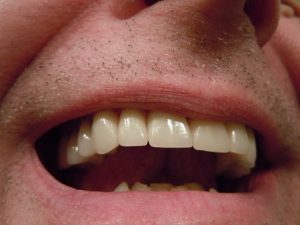 are estimated to last more than 20 years. Their durability is mainly dependent on how the teeth should be taken care of. You need to practice proper dental care for flossing, cleaning, brushing, and go for routine examinations. During cleaning or eating, you should avoid exerting a lot of pressure on them.
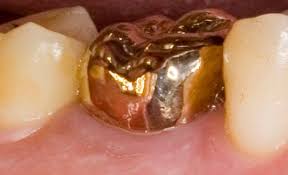 ns can be placed on the enamel or structure of your damaged teeth. In this way, they restore and repair damaged teeth. It can prevent a toothache or soreness, which is associated with the infection of the root of your teeth, chipping, fracture, and breakage. They prevent sensitivity and protect your teeth from additional damage.
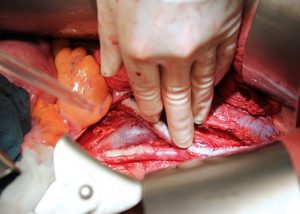 The human body is made of many veins and arteries which act as the network of passage for blood and other fluids in the body. Sometimes this complicated system may be infected by diseases or damaged like in the case of an accident. Consequently, the body requires correction through various ways like constructive vascular surgery, catheter procedures, or radiology. All these solutions may involve the vascular surgery procedures.
 It can cost a life if a mistake is made while diagnosing a particular problem. This would be the case in using unprofessional vascular surgeons. Due to the complexity of the system, it is important to use a well popular center which is well equipped and loaded with experienced experts. Treating the right problem involves a thorough check and can avoid complications at a later date.

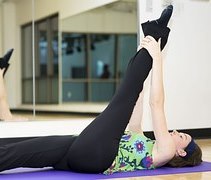 This may look like simple stretching exercise, but it may be harder when it comes to doing it. To do the wall stretch, stand up against a wall with the back facing the wall. Then lift up the hands and reach them up as high as possible while at the same time standing on the toes. While doing the stretch, it is important to keep the spine against the wall as flat as possible. Hold this position for 4-6 seconds before going down. Repeat the move several times.
 Vintage blast is one of the best energy supplements for increasing energy. It has natural ingredients that boost performance. It is suitable for body builders and professional athletes. Vintage blast ensures that you are not fatigued. You will get money back guarantee if you do not like the result that you get from using it. It has a delicious taste, and it comes in a transparent label. However, this supplement only has 20 servings.
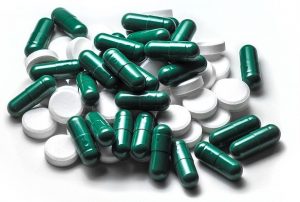 Sheer N.O improves endurance, increases strength and improves your heart rate. It contains L-Arginine HCL that helps reducing blood pressure, improving the immune system, and maintaining a healthy hormone. It is advisable that you consult health care provider before using the product if you have, liver problems, heart arrhythmia, seizure disorder, and heart disease. This product is affordable and gives you 30-day money back guarantee. It does not contain any harsh stimulants. It starts to work in the first week of use. Additionally, this product is also known to boost sexual performance.…

 A lot of muscle enhancing drugs are usually hyped but with no meaningful results. This is because their creators are mostly after money and achieve their objectives by playing to the desire of most bodybuilders; which is fast results. Natural supplements, on the other hand, are reliable and only work to support dietary and training plans.

 Complications

 Condoms provide complete protection against the spread of herpes

 Always consider the safety standards before making a purchase. It should have a seal of approval from the safety association. Also, look out for any damages that may cause potential accidents.…
 a sumptuous meal, and sleeping after that. Such individuals usually sleep for long periods of up to eight hours. Good sleep is highly recommended as it helps the body rest and gains the lost strength.
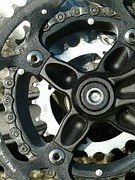 Research has shown that the moderate exercises such as mountain biking help in the strengthening of the immune system. By strengthening the immune system, the body can fight lots of the opportunistic infections that most people suffer from. Cyclers rarely suffer from the opportunistic infections like the coughs or colds. Several studies have also shown that this kind of exercises can help the body kill the cancer cells. Women who ride mountain bikes have a reduced risk of contracting breast cancer.…
 e product, in both humans and animals to determine how it works. Well, according to these studies, Garcinia cambogia extract works in two ways, which includes reducing cravings and minimizing the production of fat. The extract increases levels of the hormone serotonin in the brain, thereby, theoretically reducing appetite and ensuring fewer cravings. The fact that it blocks Citrate lyase (the fat-producing enzyme) means it makes it harder for the body to produce fat. By so doing these, Garcinia Cambogia extract effortlessly encourages weight loss.
 did not find any serious side effects. However, individuals who take it are around twice as likely to experience digestive complications. Other commonly reported side effects include headaches, dizziness, diarrhea, and dry mouth. Those who are under medication or have a medical condition are strongly advised to consult with their doctors before they take it. Avoid taking it if you are expectant or breastfeeding.
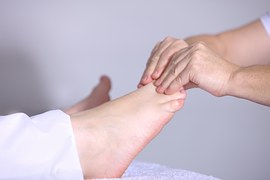 affecting many people, and it usually causes skin itching, redness, and scaling. It will affect the area between the toes, though it can stretch to the bottom and the borders of the foot. In some situations, it can affect the toenails, which makes them discolored, thickened and painful too. The common cause of the athlete’s foot is when the shoes enhance fungal growth by creating a dark, humid, and warm environment.The DPM can prescribe an oral anti-fungal medication or any suitable medication.
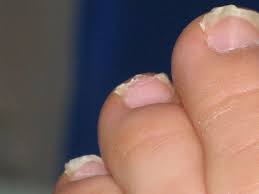 e is a persistent condition that can stretch beyond the nails. If it is not treated early enough, it can affect the psychological and physical welfare of the patient for a long time. The condition can cause nail thickening, discoloration, and scaling. It might also make the nail plate detach from the toe. It is a state that can cause serious pain and discomfort. The podiatrist will use specific drug regimens to treat the moderate fungal nail. For the severe condition, the DPM will diagnose oral medication.
 invention we have seen? It is full of millions of
 Due to the advancements of neurology, there are many great products that have come into the market that can be used to enhance the brain’s functions. These products are of course manufactured to strict standards and are regulated. They can be taken by anyone and often contain many of the nutrients such as GABA, Alpha GPC, L-Theanine, Phosphatidylserine, L-Tyrosine, which our daily diet will lack.

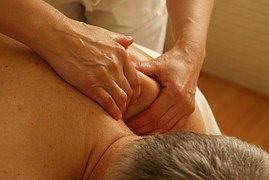 ns, if you’re an athlete and you start to feel pain, find a professional masseuse as soon as possible. For an athlete to give his very maximum, he needs to be relaxed. And, the great way to achieve that without meditating is a massage. Massage is even more effective than meditation since it makes muscles stretch and relax.

 e best results, it is advisable to go for a waist trainer with a steel boning. There are any varieties of weight trainers. However, you should factor look at the material, quality and the support offered by the material chosen. In most instances, sturdy and heavy corsets are preferable because of the ability to mold the body. The fabric used in making the trainer plays a critical role in the effectiveness of the waist trainer. As such, you should go for fabric that is not too elastic. The beauty of having one that is not stretchy is that it does not keep shifting up and down.

 s from excess light
 eople endure excess sweating at night. This problem is common in women. Other than being a symptom of hormonal imbalance, it is also a sign that you have failed to take care of your body. It is possible to combat this problem by understanding your feelings and emotions that trigger high internal temperature. For instance, depression leads to night sweats, just like frustration and anxiety. You should try to deal with such feelings before going to bed.
 ever, this does not imply that you can only enjoy benefits of clinical research only when you suffer from serious illnesses. Nowadays, several trials offer complementary and alternative therapies and treatments that work alongside the treatment, which you are undergoing.
